

Clinical Supervision
Evidence-informed clinical supervision with a registered Clinical Supervisor, ACA Level 4. Online Australia-wide.
Supervision with me is colleague to colleague. I'm a registered Clinical Supervisor, ACA Level 4, with six years in practice. Sessions run for an hour via Google Meet and fit around your client load wherever you are in Australia. My full qualifications are on the about page.
What the research says about clinical supervision
Our profession has studied its own practices, and the findings are encouraging. Wheeler and Richards published a systematic review in 2007. It found supervision has a positive impact on counsellors' self-efficacy, skills and wellbeing. The benefits flow through to their practice and, to some extent, their clients. Later reviews link good supervision to greater self-awareness and confidence. They also link it to reduced burnout. That matters in a profession where the counsellor's own wellbeing shapes the work.
The research points to one more thing. The quality of the supervision relationship predicts what supervisees gain. This mirrors the therapeutic alliance research in counselling. It's why my supervision is collegial and honest rather than evaluative. I bring the same person-centred, strengths-based approach I use in the counselling room. It's also why online clinical supervision holds up. Reviews find professional relationships build just as well over video as in person.
Researchers are open about the limits here. Supervision studies need more rigour, and I hold the findings with that honesty. But the direction of the evidence is consistent. It also matches what six years of giving and receiving supervision has shown me.
The purpose of clinical supervision
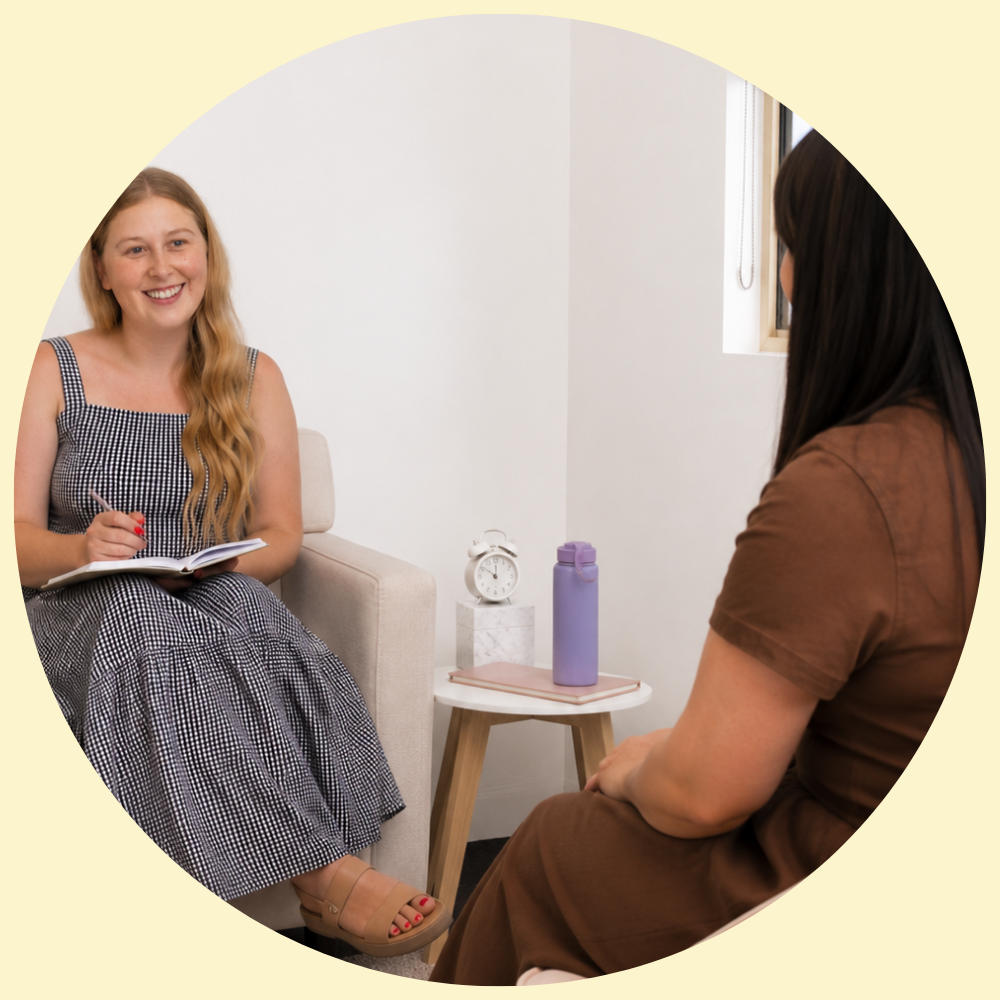
Clinical supervision is protected time with an experienced practitioner. You use it to reflect on your client work, your decisions, and yourself as the person doing the work. It's part of ethical practice under the ACA Code of Ethics. It's also where professional growth happens. Supervision goes well beyond a compliance requirement. It's protected time to grow into the counsellor you want to be.
What we can cover in supervision
Whatever is sitting with you after your sessions belongs here. Counsellors bring case consults and stuck points. They bring ethical dilemmas and boundary questions. They bring vicarious trauma and the load this work places on the nervous system. They bring confidence wobbles and the practical puzzles of building a practice. The doubt therapists carry is often a reflection of how much they care. I see it in supervisees who leave sessions wondering what they could do better. The burnout research is one reason I take your wellbeing as seriously as your cases. Supervision is a protective factor for the person doing the work.
Wins belong here too. I want to hear about the session where something finally shifted. That matters as much as the one you keep replaying on the drive home. Not sure what to bring? Come as you are and we'll untangle it together.
Who I supervise
Frequently Asked Questions
-
Sessions with me are $88 for one hour, individual, via Google Meet.
-
Loosely is fine. Jot down the clients or moments that stayed with you this fortnight. Note any ethical questions, and anything you've been avoiding. If preparing feels hard, bring that. It's usually pointing at something worth looking at.
-
Case consults, ethics and boundaries, transference and countertransference. Burnout and self-care. Professional development and the business side of practice. There's no wrong topic if it touches your work.
-
For most practising counsellors in Australia, supervision is a professional development expense. It may be deductible. Your accountant can confirm what applies to you.
-
The research links supervision to counsellor self-efficacy, wellbeing and reduced burnout. The benefits reach clients too. Put simply, it protects your clients because your work gets reviewed and sharpened. And it protects you, because counselling is heavy work to carry alone.
Your work deserves support too
You spend your weeks supporting other people. Supervision is where you get that same support. Book an hour through the booking page and bring whatever is live for you.